|
|
Guide
to Mallorca, Balearic
Islands, Spain
Mallorca is
the biggest of
the four
islands in the Balearic
Isles that offers
everything you
could wish for
in a holiday.
From long,
golden
beaches, tiny
coves,
mountains and
remote
villages to
windmill-dotted
plains; all
year round
enjoyment. Palma is the capital
and occupies a
seafront
location. The
old town has a
cathedral and
a maze of
narrow
streets. The
views from
Bellver Castle
are
breathtaking.
There is a
wide variety
of bars,
restaurants
and nightlife
in Palma. The
Bay of Palma
is the
playground and
consists of a
crescent of
white sand. On
the western
side of the
island is Magaluf
the place to
party, where
clubs are open
all night and
parties don't
stop. As a
resort it also
offers an
outstanding
sandy bay with
water sports.
Ample shops
line the
tightly-knit
streets and a
wide selection
of bars and
restaurants
will keep
everyone
happy. |
|
|
|
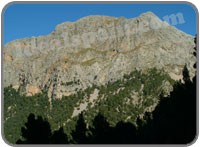
Mountains in Mallorca
|
|
On the west
coast are the
resorts of Valdemossa,
famous for its
monastery and Deya,
a picturesque
village
renowned for
its music
festivals and
as a retreat
of Robert
Graves, the
poet. The
wonderful
views in the
area comprise
of sheer
cliffs and
wooded
mountains,
characteristics
familiar with
the northwest
of Mallorca.
It's totally amazing how each part of this small island is so different. |
| |
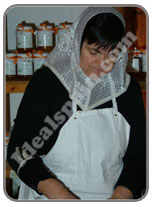
Traditional
costume in
Mallorca |
| |
| |
|
|
| Cala San
Vicente is one of the
most peaceful
resorts, a
small village
with superb,
sandy coves,
separated with
a rocky
headland.
There are only
a few bars and
restaurants
here although
they are very
lively. 11km
away is Puerto
Pollensa. At the
north of the
island, it is
formed around
a large,
natural bay
with a small
marina and
long, sandy
beach. An
ideal resort
for families.
Just below
here is Alcudia,
where you will
find one of
the most
beautiful and
largest sandy
beaches on
Mallorca.
Alcudia has
grown around a
thriving
fishing port
and has now
developed into
a bustling
family resort
with
restaurants,
bars, shops
and an aqua
park. In total
contrast, a
few miles
inland is the
old walled
town, steeped
in history. |
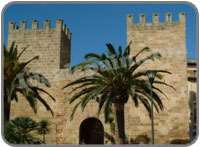
Alcudia |
| |
|
| In the
southeast is a
former fishing
village by the
name of Cala
d'or.
It now hosts
Mallorca's
largest
holiday
community.
Here you will
see typical,
white Spanish
buildings set
amid greenery,
pedestrianised
lanes and an
elegant yacht
marina,
surrounded by
numerous
beaches. Ca'n Pastilla , east of Palma
is one of the
most heavily
built-up
resort areas.
It lies close
to the Son San Juan
Airport. The yacht
harbour here
can house over
500 vessels.
The two mile
long stretch
of beach
between here
and El
Arenal has more than
its fair share
of the
island's
hotels and
attracts
record numbers
of bathers to
the beach.
Here you will
find holiday
makers of
every
nationality
and as the
night falls,
the parties
begin - right
through till
daybreak. |
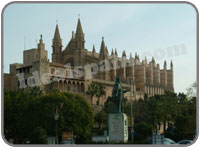
Palma
Cathedral |
|
| |
|
| When on the
island of
Mallorca, you
must see the
world famous Caves of
Drach (Caves of the
Dragon). Here
you will trek
underground
through over a
mile of giant
caverns. At
the bottom is
the highlight
- a massive
underground
lake, lit up
with coloured
lights. take
your seat in
the purpose
built
auditorium as
a string
orchestra
floats by on
tiny,
illuminated
boats. Part of
the journey
back to the
top is by
boat. The
caves attract
hundreds of
thousands of
visitors every
year and can
be very
crowded in the
summer months.
The caves are
located on the
east coast of
the island,
near Porto
Cristo, a
wonderful
fishing
resort. The
ruins of the
hilltop
Santueri
Castle is
worthy of a
mention, dating back to
Roman times. |
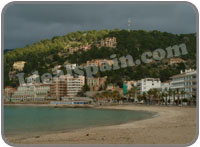
The beach at
Soller |
|
|
|
When to visit
the island of Mallorca
Like the other
Balearic
Islands,
Mallorca
enjoys a
moderate
climate all
year round. A
wall of
mountains
running along
its northern
coast protects
it from cold
winds.
Although
cooler than
summer, in
winter the
weather is
quite
acceptable.
The island
boasts about
300 sunny days
per year with
an average of
5 hours
sunshine each
day in the
winter and 10
hours in the
summer.
Getting
to Mallorca
By air from
major European
cities there
are daily
non-stop
flights. There
is an enormous
choice of
package
holidays
arranged by
tour operators
which include
flights and
accommodation.
By car, there
are many ferry
links to
France and
Santander in
Spain. During
peak season
you are
advised to
make firm
reservations. |
 |
Visiting Mallorca
Mallorca is a diverse island and every resort is different. Whatever you want from a holiday you are sure tyo find it in Mallorca. There are family resorts, resorts aimed at younger people and all manner of facilities for elderly visitors.
Rental of Mobility, Children's and Household equipment in Majorca / Mallorca. here
|
Water sports in Mallorca
Of all the sports in the Balearics, sailing has to be the most pleasurable and relaxing. It is the best way to explore the coastline. A boat will also give access to some beautiful, tiny coves otherwise out of reach. Water skiing and windsurfing are available in most marinas and there are diving facilities in Palma and Santa Ponca.
Other sports
Mallorca offers excellent opportunities for cycling, hiking ad horse riding as well as mountain climbing. Golf is also on the increase on the island with several major courses
Beaches in Mallorca
There are some 76 beaches on the island of Mallorca, 35 of them having been awarded the Blue Flag status. The residents of Mallorca take great pride in their beaches and keep them in excellent condition. Many of the resorts in Mallorca have undergone extensive improvements with new promenades and improved facilities.
History of Mallorca
The earliest traces of man discovered in Mallorca date from around 4,000BC and many civilizations have lived here since then, all leaving traces which can be still seen today. Mallorca is rich in history and culture. There are so many aspects to explore, you can hardly ever get bored.
Fiestas and celebrations in Mallorca
Mallorca has some kind of festival or fiesta in every month, illustrating the varied culture of the island. Many feature the unique Mallorcan dances and the ´work songs´ that have been sung, without music for centuries. The Arabic influence in the celebrations is quite evident and many of them have a religious origin. As with mainland Spain, the biggest celebrations are those of Semana Santa (Easter Week). |
|
|
|
 |
| General emergencies in Mallorca - 112 |
|
| Fire brigade emergencies in Mallorca - 085 |
|
Guardia Civil emergencies in Mallorca - 062 |
|
| Local police emergencies in Mallorca - 092 |
| 24hr doctor, Pollensa - 971 868 223 |
| Hospital Son Espaces, Pollensa - 971 205 000 |
| Hospital Inca - 971 888 500 |
| Hospital Muro - 971 891 900 |
| British Consulate, Palma - 902 109 356 |
| Tourist office head office, Parc de les Estacions, Palma de Mallorca - 902 102 365 palmainfo@a-palma.es |
|
| |
 |
Palma airport information - 902 404 704
|
| |
|
|
| |
Low cost car hire in Mallorca - Instant quotes, online booking and guaranteed reservations. Access to all the top car hire companies in Spain |
| |
 |
Pirates Show - C/Joaquin Sorrolla, Magaluf |
|
| |
|
|
| |
|
|
| |
|
|
| |
|
|
| |
|
|
|
|