|
|
Places in Spain -
Fuerteventura, Canary
Islands
|
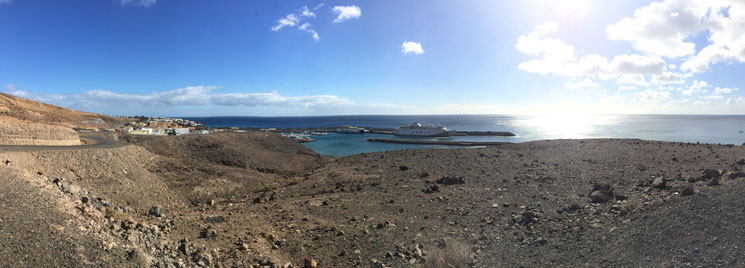
Idealspain visited Fuerteventura in November 2015 - here is our review
Less than
60 miles
off the
African
coast,
this
little
island of
just
780sq.
miles is a
miniature
paradise.
It has yet
to suffer
the mass
destruction
of the
holiday
industry.
Fuerteventura
is the longest of
the
Canary
Islands
and is
Spanish
territory.
We flew into the only airport in Fuerteventura, Aeropuerto del Rosario, located on the eastern coast. From here we hired a car and toured the island. We made our base at Caleta de Fuste, just a few kilometres south of the airport.
|
|
|
|
Places to see in Fuerteventura
Puerto del
Rosario
The
island's
capital
and main
port but
despite
this, the
town
retains
its old
charm and
offers
beautiful white sand
and clear,
blue sea [more info]
Corralejo
On the
northern
coast of
the island
lies Corralejo,
formerly
just a
fishing
village
but now
undergoing
a tourist
boom.
Mainly due
to its
sun-bleached,
white sand
and blue
waters. [more info]
La Oliva
Northern Fuerteventura, an inalnd village with lots of character [more info]
Antigua
Central Fuerteventura, a very busy town with lots to see [more info]
Betancuria
A small village steeped in history [more info]
Costa Calma
One of the most popular resorts in the south of Fuerteventura [more info]
Morro Jable
Near the southernmost tip of Fuerteventura [more info]
Gran Tarajal
On the eastern coast of Fuerteventura [more info]
Caleta de Fuste
On the eastern coast of Fuerteventura, a bustling but quaint resort [more info]
|
|
|
Sports in Fuerteventura
The windy climate of Fuerteventura, along with the all year round sunshine makes it the perfect place for all manner of water sports.
The
coastline
Of
Fuerteventura
plays host
to every
kind of
water
sport
imaginable including some top surfing beaches and many places for kite surfing
Diving
With a
constant
year round
temperature
in the
surrounding
sea, it
creates
perfect
diving
conditions. All along the coast you will find diving centres and day trips
Snorkelling
Snorkelling
is a
popular
activity
that is
suitable
for all.
The clear
blue
waters
around
Fuerteventura
means that
there is
an
abundance
of sea
life to be
seen.
Various
ports and
harbours
around
Fuerteventura
offer
specialist
snorkelling
trips with
equipment
hire
included
for around
30 euros
Sailing
If
you intend
to go
sailing in
Fuerteventura
you will
of course
need wind,
water and
a boat. Fuerteventura
has an all
of these
ingredients
in
abundance
(especially
wind).
There are
lots of
harbours
around the
island
with many
offering
sailing
and
fishing
trips
Walking and hiking
The mountainous landscape is ideal for hiking and walking. You will find organised routes for all abilities
Cycling
If it's mountain biking you are looking for then Fuerteventura has the perfect landscape. For road cycling you will find routes with varying degrees of difficulty. Road cycling is relatively safe and many areas have specific cycle paths |
Low cost car hire in the Canary Islands - Instant quotes, online booking and guaranteed reservations. Access to all the top car hire companies in Spain |
| Temperatures in Fuerteventura |
Average monthly temperature (oC) |
| May |
20.6 |
| June |
22.2 |
| July |
23.9 |
| August |
24.3 |
| September |
23.8 |
| October |
22.4 |
| November |
20.5 |
| December |
18.5 |
|
|
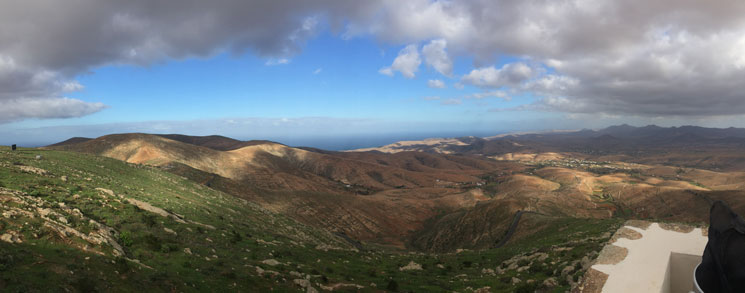
Beaches
of
Fuerteventura
There's
approximately
120 miles
of natural
beach on
the island
of
Fuerteventura.
Be fore
warned
nudism is
accepted
in
Fuerteventura
and many
of the
more rural
beaches
are
nudist,
but most
are far
from the
family
tourist
areas on
the
island.
Costa
Calma:
This beach
is part of
the Playa
de
Sotavento.
It is a
long wide
beach with
a narrow
band of
wasteland
between
the beach
and the
rise where
the
buildings
form. This
area is
most
popular
with
naturists.
The sea is
pleasant
for
swimming
here and
there are
toilets
dotted
along the
beach.
Costa
Caleta
beach /
Caleta de
Fuste
: The
purpose
built
resort of
Caleta de
fuste or
costa
caleta as
it is also
known is
based
around a
large
horseshoe
shaped
cove. The
natural
features
of this
cove lean
to a
gentle
slope into
the sea,
where it
is
protected
from
waves, and
no
dangerous
currents
(ideal for
young
children).
The beach
has been
created
from
imported
sand from
the Sahara
desert,
there are
a few
smaller
bathing
areas as
you walk
along the
pathway
following
the beach
.
These
lagoon
like areas
have been
created by
digging
into the
rock
behind the
shoreline
and then
importing
the sand,
these new
beaches
can be
found by
the new
Atlantico
Center. As
Caleta is
a family
resort,
only
topless
bathing is
seen in
this area.
Puerto
Del
Rosario,
Playa
Blanca:
Playa
Blanca
beach is a
short walk
from the
Capital of
Puerto del
Roasario.
The white
sand here
stretches
for about
600 metres
. Under
currents
can be
strong and
during
peak
season a
flag
system to
show when
it is safe
to bathe
are
present.
This area
of beach
is mainly
used by
the local
people
during
lunch
breaks and
when they
fancy an
hour at
the beach
just to
relax. The
local
Spanish
are not as
keen on
topless
bathing as
the
Germans
and
English as
a result
nudism is
pretty
rare here.
El
Cotillo
Beach:
The white
sandy
beach here
stretches
for miles
to the
south of
El Cotillo.
El Cotillo
is on the
west coast
of the
island
where the
waves tend
to be much
larger
than over
areas of
the
island.
The sheer
size of
the beach
means that
even on a
busy day
it is
possible
that you
could be
the only
person
visible
for some
distance.
El cotillo
beach is
massive
and there
is ample
space for
nudism
activity
here.
Morro
Jable:
This beach
has the
usual
water
sports
activities
going on
and it is
possible
to go
sailing,
diving,
snokelling
etc. The
beach at
the Jandia
end is
divided
into a
nudist
section to
the left
of the
lighthouse,
a clothed
section is
to the
right.
There are
numerous
sunbeds
available
on both
sections
and the
sea is
pleasant
for
swimming,
although a
steep
slope
towards
the sea is
present in
places
which is
not
suitable
for very
young
children.
Cofete:
The beach
at Cofete
is a white
sandy
beach that
is about 3
miles in
length.
Cofete
beach is
not easily
accessible
so there
is plenty
of room to
get away
from the
tourists.
The waves
here can
be a bit
on the
rough side
and would
recommend
taking
great care
if
bathing.
|
|
|
|
|
|
|