Spanish culture - Flamenco
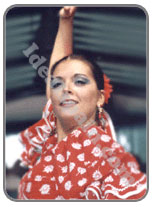
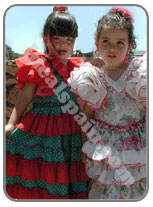
Flamenco still
enjoys
its
place
in
Spain
and
can
be
found
everywhere,
even
amongst
the
youth
culture.
There
are
about
30
varieties
of
Flamenco
ranging
from
the Cante
jondo (deep
song),
through
to
the duende (demon
or
elf).
This
is
considered
the
ideal
Flamenco.
The
origins
of
Flamenco
go
back
to
the
16th
century
and
are
mainly
from
the
gypsies
of
Andalucia
who
developed
this
form
of
entertainment
around
the
campfires.
Every
song
tells
a
story
ranging
from
love
to
history
and
politics.
It
is
considered
to
be
Spain's
folklore
music
and
combines
music
with
dance,
movement,
feeling
and
meaningful
song.
The
Flamenco
that
tourists
are
presented
with
in
the
coastal
haunts
is
far
from
the
true
form
of
Flamenco
with
deep
history,
but
at
the
very
least
its
fun.
its
a
lively
presentation
of
beautiful
music and
dance
in
wonderful
costumes. |